NewsPrediction Markets3 min read
New York Sues Kalshi, Escalating Battle Over Prediction Markets
Governor Kathy Hochul and Attorney General Letitia James have sued Kalshi, setting the stage for another landmark case over the future of prediction markets in the U.S.
GamblingLore Editorial Desk31 July 2026


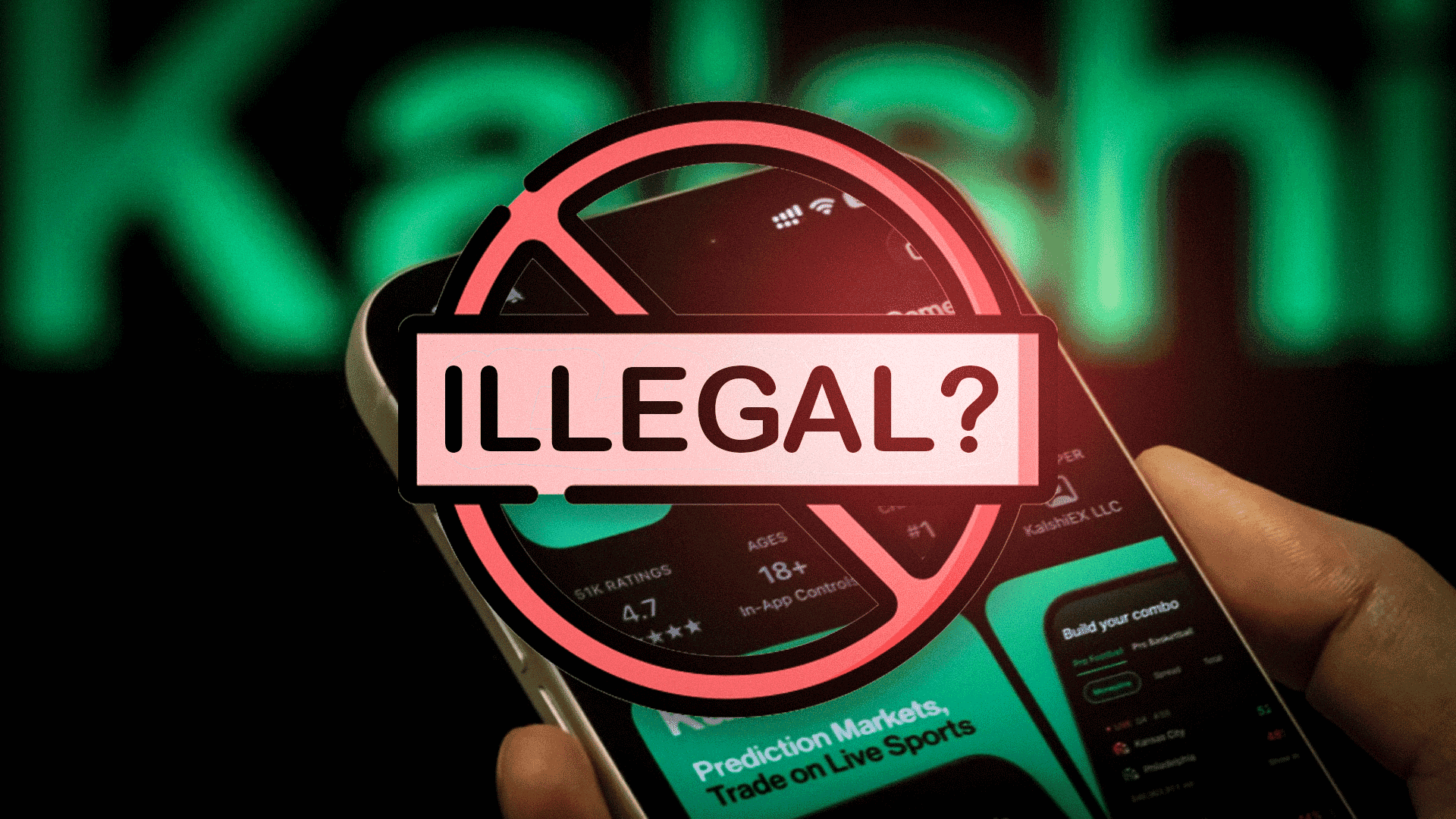
The legal battle over prediction markets has reached another major milestone after New York Governor Kathy Hochul and Attorney General Letitia James announced a lawsuit against Kalshi, accusing the federally regulated prediction market operator of illegally offering gambling to New York residents.
The lawsuit marks one of the most significant state-level challenges to the prediction markets industry to date and further intensifies the ongoing conflict between state gambling regulators and platforms that argue their products fall under federal oversight.
New York's Allegations
According to the complaint, New York argues that Kalshi has been operating an unlicensed gambling business within the state by allowing residents to trade contracts tied to sporting events and other outcomes.
Attorney General James stated that despite Kalshi's characterization of its products as federally regulated event contracts, the platform functions as a sports betting operator under New York law. State officials argue these contracts expose consumers to gambling-related harms while operating outside New York's established licensing and consumer protection framework.
The lawsuit follows weeks after a federal judge denied Kalshi's request to block New York from enforcing its gambling laws, removing one of the company's key legal defenses before the state filed its complaint.
What New York Is Seeking
- Permanently prohibit Kalshi from operating in New York.
- Recover profits generated from New York users.
- Impose civil penalties.
- Obtain restitution for affected consumers.
The complaint also argues that Kalshi allows individuals aged 18 to 20 to participate in markets that New York considers gambling, even though the state's legal gambling age is 21.
Kalshi's Growing Legal Challenges
New York is far from the only jurisdiction challenging Kalshi's business model. Over the past year, multiple states including Massachusetts, Michigan, Nevada, Washington, Wisconsin, Arizona and others have taken legal action or imposed restrictions against the company, arguing that sports event contracts are effectively sports betting and should be regulated under state gambling laws.
Kalshi, meanwhile, continues to maintain that its markets are federally regulated financial products overseen by the Commodity Futures Trading Commission (CFTC), not traditional gambling.
That disagreement has become the central legal question facing the entire prediction markets industry.
A National Regulatory Battle
The lawsuit highlights the widening divide between federal and state regulators.
Kalshi has consistently argued that the CFTC has exclusive authority over its event contracts, while states maintain they retain the power to regulate gambling occurring within their borders.
Courts across the United States have produced mixed outcomes, leaving no definitive nationwide answer on whether prediction markets tied to sports should be treated as financial derivatives or gambling products.
The outcome of New York's lawsuit could become one of the most influential cases yet, particularly given the state's size and significance within the U.S. gambling industry.
What It Means for the Industry
For operators, exchanges, and prediction market platforms, the case represents another major test of whether federally regulated event contracts can coexist with state gambling laws.
A victory for New York could strengthen the position of other states pursuing similar enforcement actions, while a win for Kalshi would further reinforce the argument that prediction markets fall primarily under federal jurisdiction.
As prediction markets continue expanding into sports and other real-world events, the legal framework governing the industry remains one of the biggest unanswered questions facing the sector. The New York lawsuit is likely to become a closely watched case that could shape the future of regulated prediction markets across the United States.